
Sustainable Revitalization of Acid Sulphate Soil
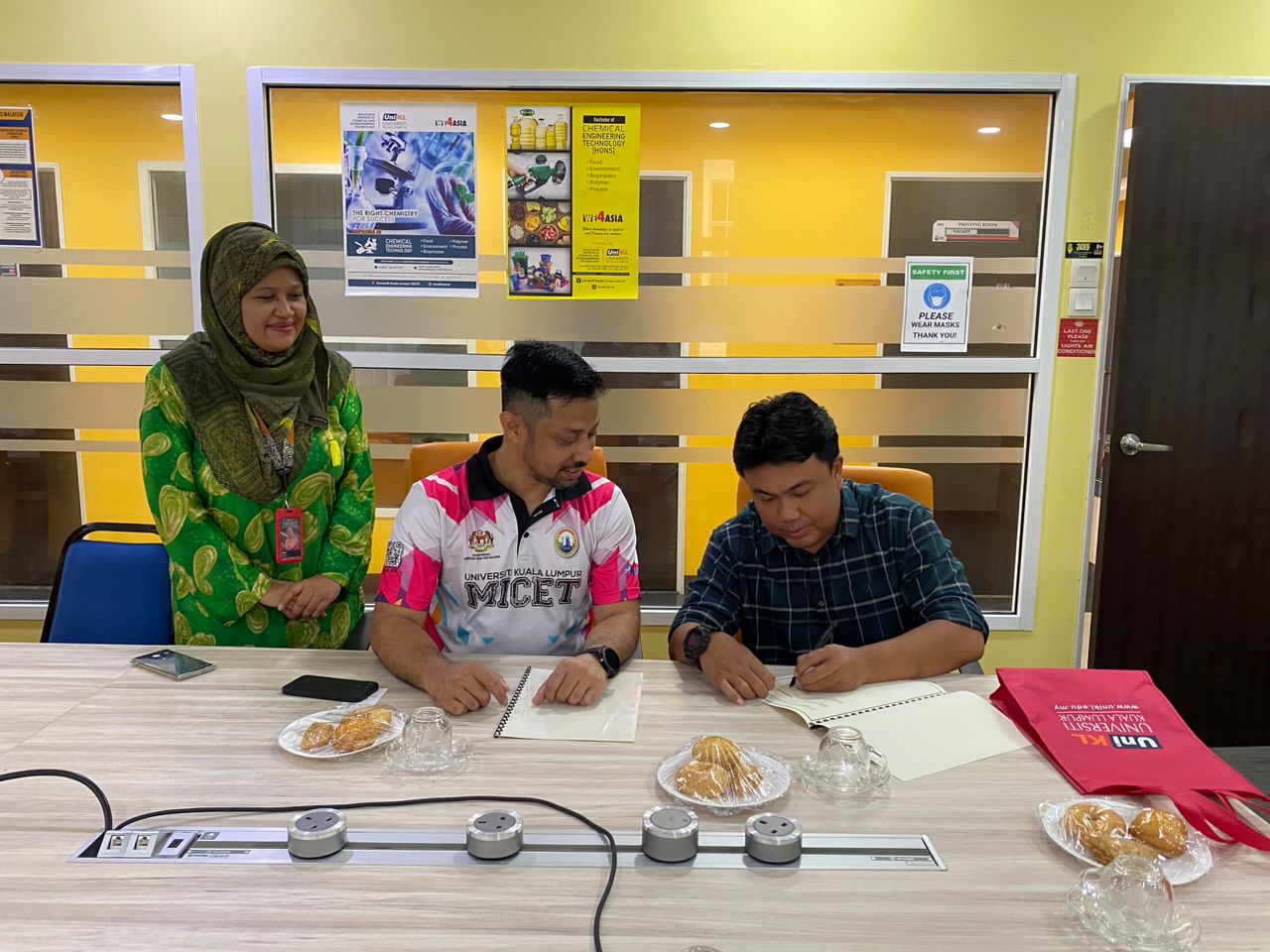
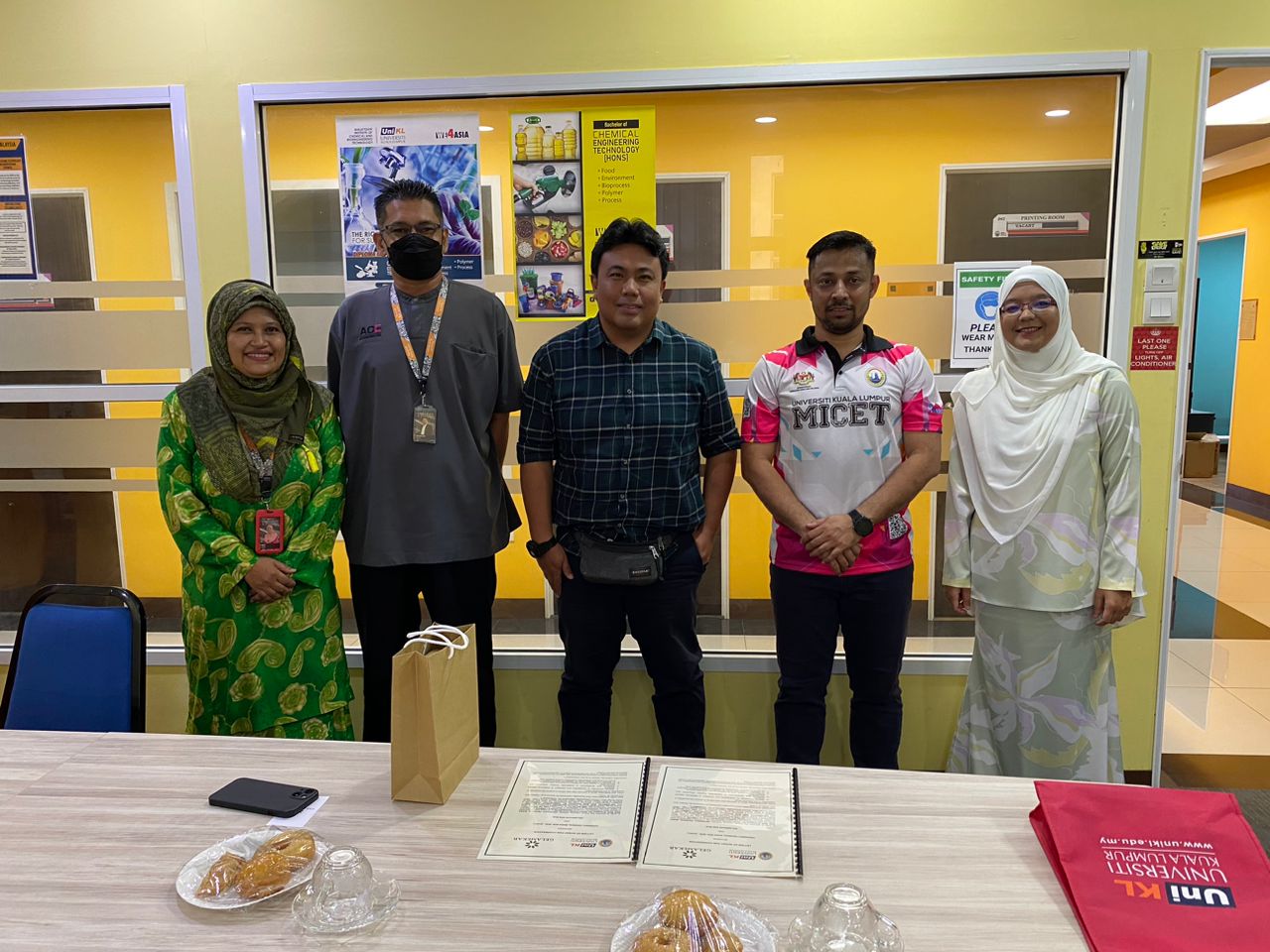
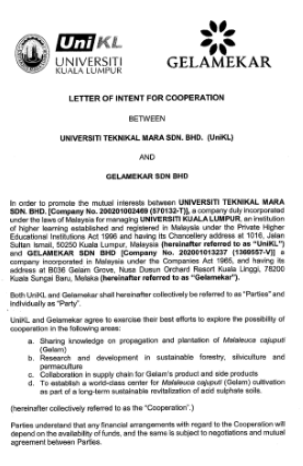
On June 28, 2023, Gelamekar Sdn Bhd and UniKL signed a letter of intent. This is intended to enhance collaboration for sustainable revitalization of acid sulphate soil through gelam permaculture.
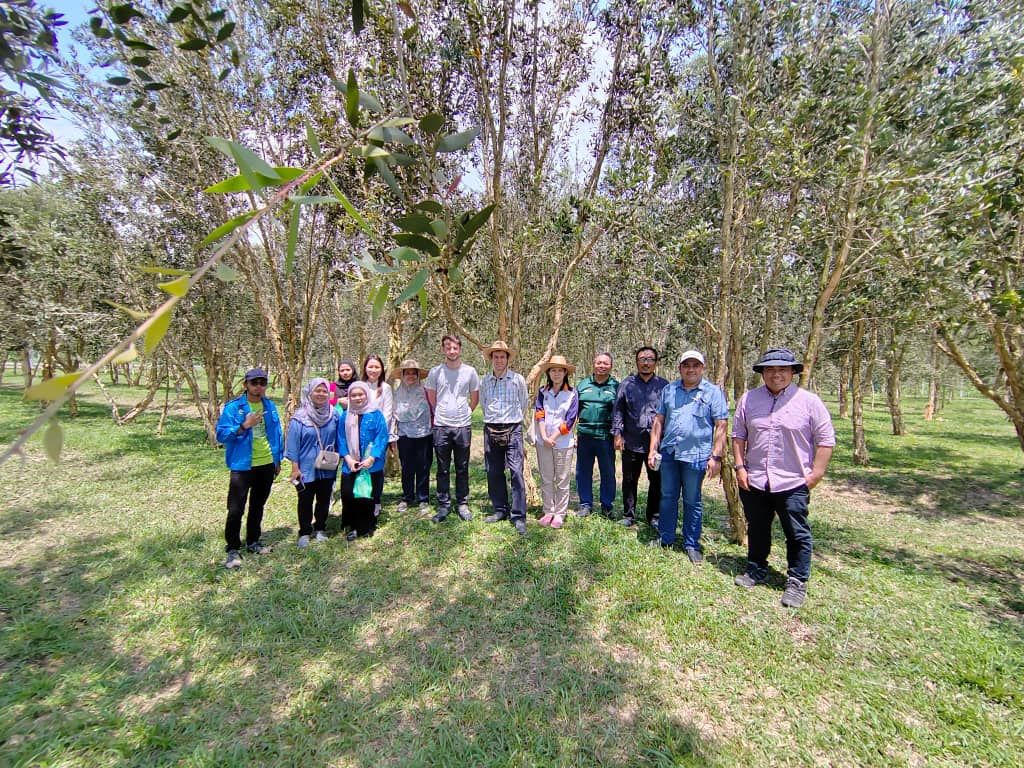
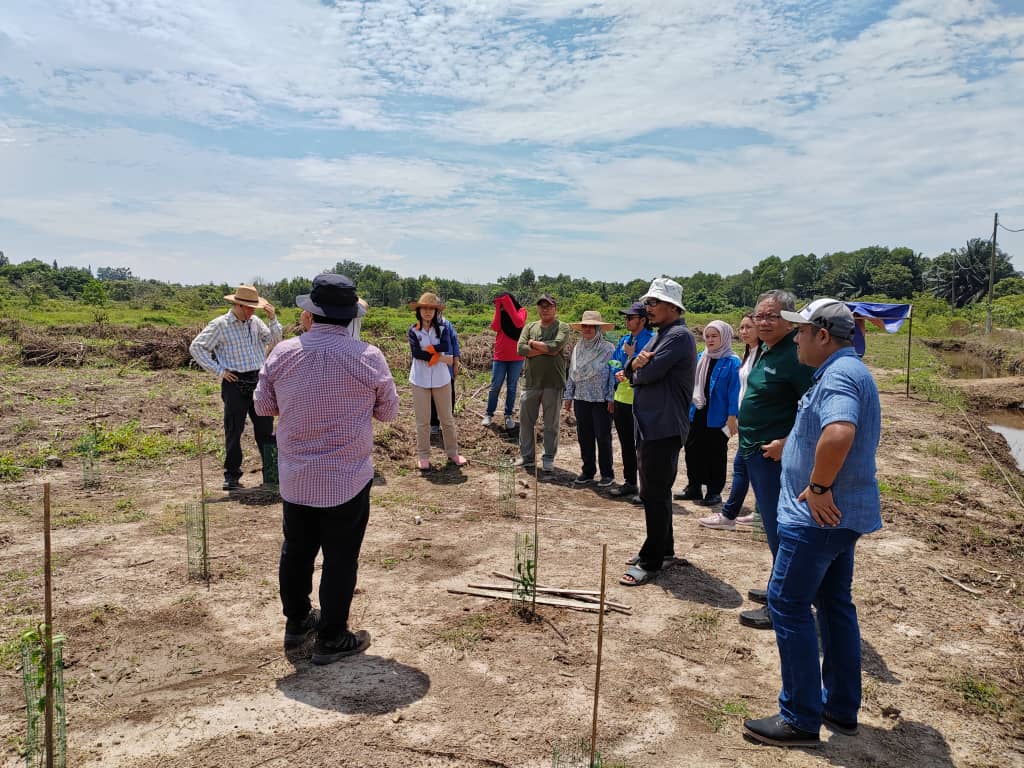
Acid sulfate soils are found throughout the world. Approximately 6.5 million hectares are reported to occur in Asia, 4.5 million in Africa, 3 million in Australia, 3 million in Latin America, 200,000 in Finland, 235,000 in Sweden and 100,000 in North America. Acid sulfate soils are difficult to manage for crop production. Apart from being acidic, the soils contain toxic amounts of Al and Fe, but low plant nutrients. Therefore, many studies have been conducted looking for a solution to the prevailing problems. Without using appropriate amendments, the soils cannot be productively utilized. The water table level should always be above the pyritic layer. If the pyrite undergoes oxidation, thereby releasing acidity, that will cause problems for the growing crops.
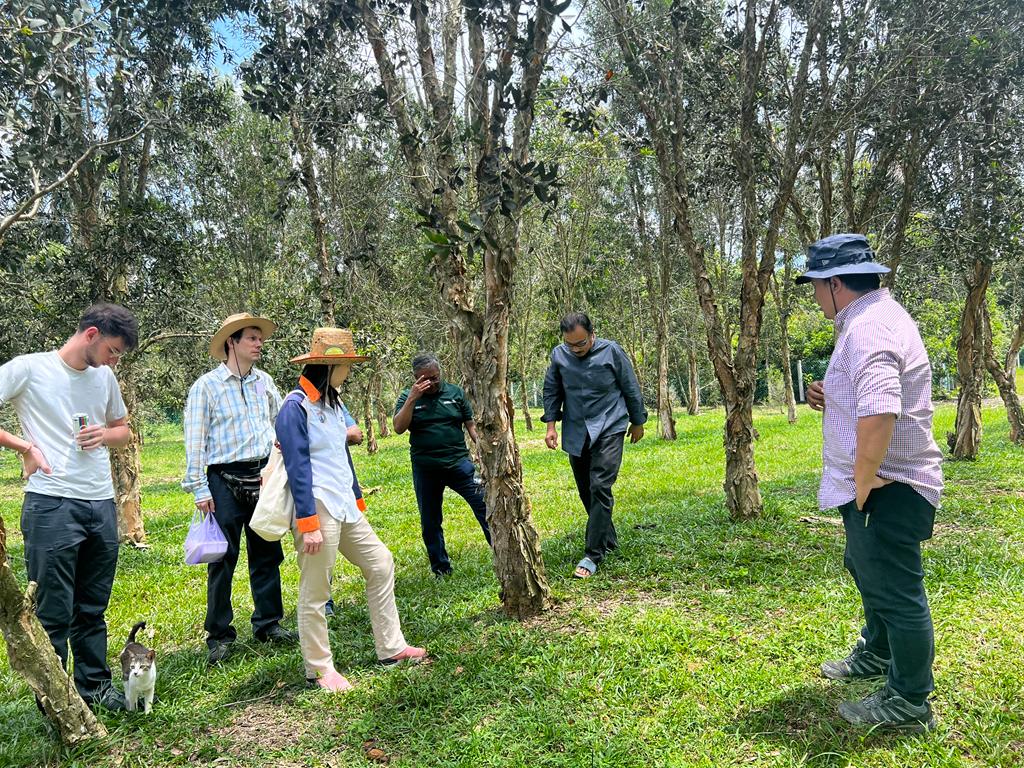
In earlier days, the presence of acid sulfate soils was postulated by the appearance of Melaleuca sp. or locally known as Gelam. Native to Australia, Indonesia, Peninsular Malaysia, Thailand, and the Philippines, Gelam appears to tolerate acidity, waterlogged conditions, and moderately saline forests. Gelam forest occupies an extensive area of alluvial flats and assists in flood mitigation as well as the regulation of local hydrology. It has the biodiversity of an edaphic ecosystem that is not found in other areas.
In Malaysia, abandoned land is a serious problem. In 2019, the Department of Lands (DOA) identified 103,563 hectares of abandoned land in Peninsular Malaysia and Labuan. Permaculture is an innovative framework for developing sustainable lifestyles. It integrates land, resources, people, and the environment through mutually beneficial synergies, emulating the zero-waste, closed-loop systems found in many natural systems. In Malaysia, where the use of synthetic fertiliser is critical for survival, the concept is still in its infancy. Incorporating permaculture into the restoration of Gelam forest on severe acid sulphate will be a novel idea. It will not only address the issue of abandoned land, but also the United Nations Sustainable Goals 15 Life on Land to protect, restore and promote sustainable use of terrestrial ecosystems, sustainably manage forests, combat desertification, and halt and reverse land degradation and halt biodiversity loss.